 Sign up
 Log in


Developing the Skills of Advisors at the Association Integration Europe - East.
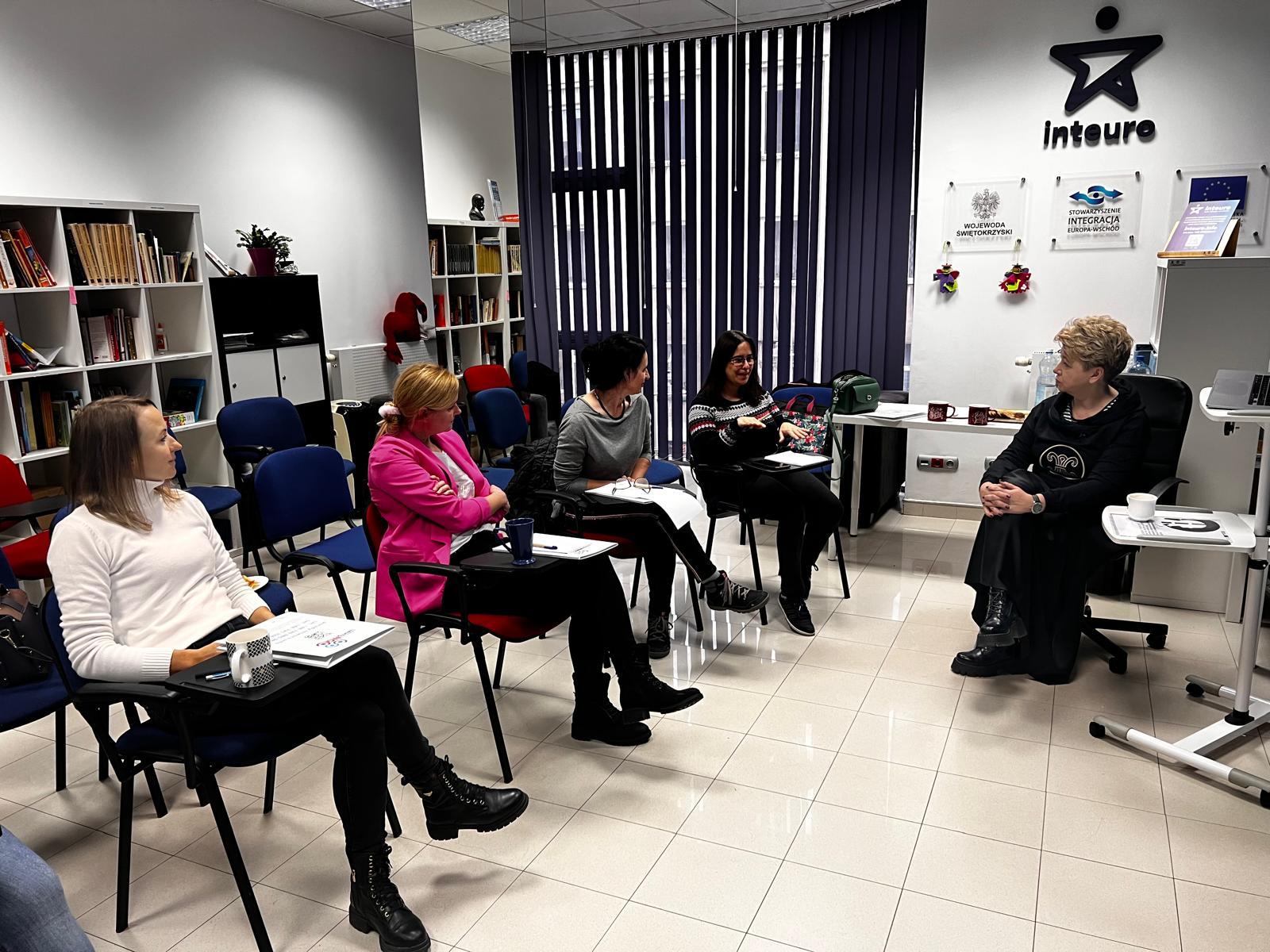
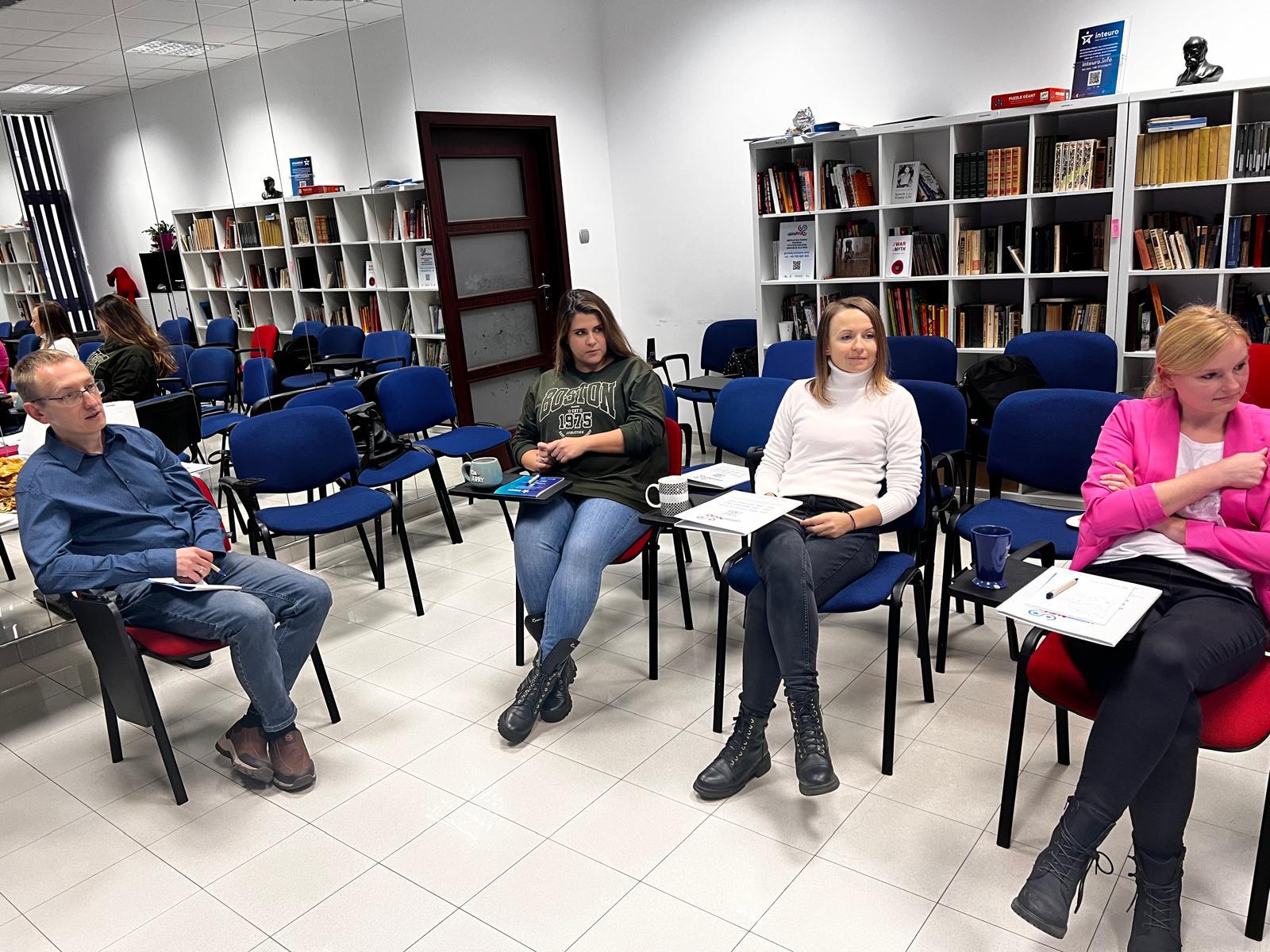
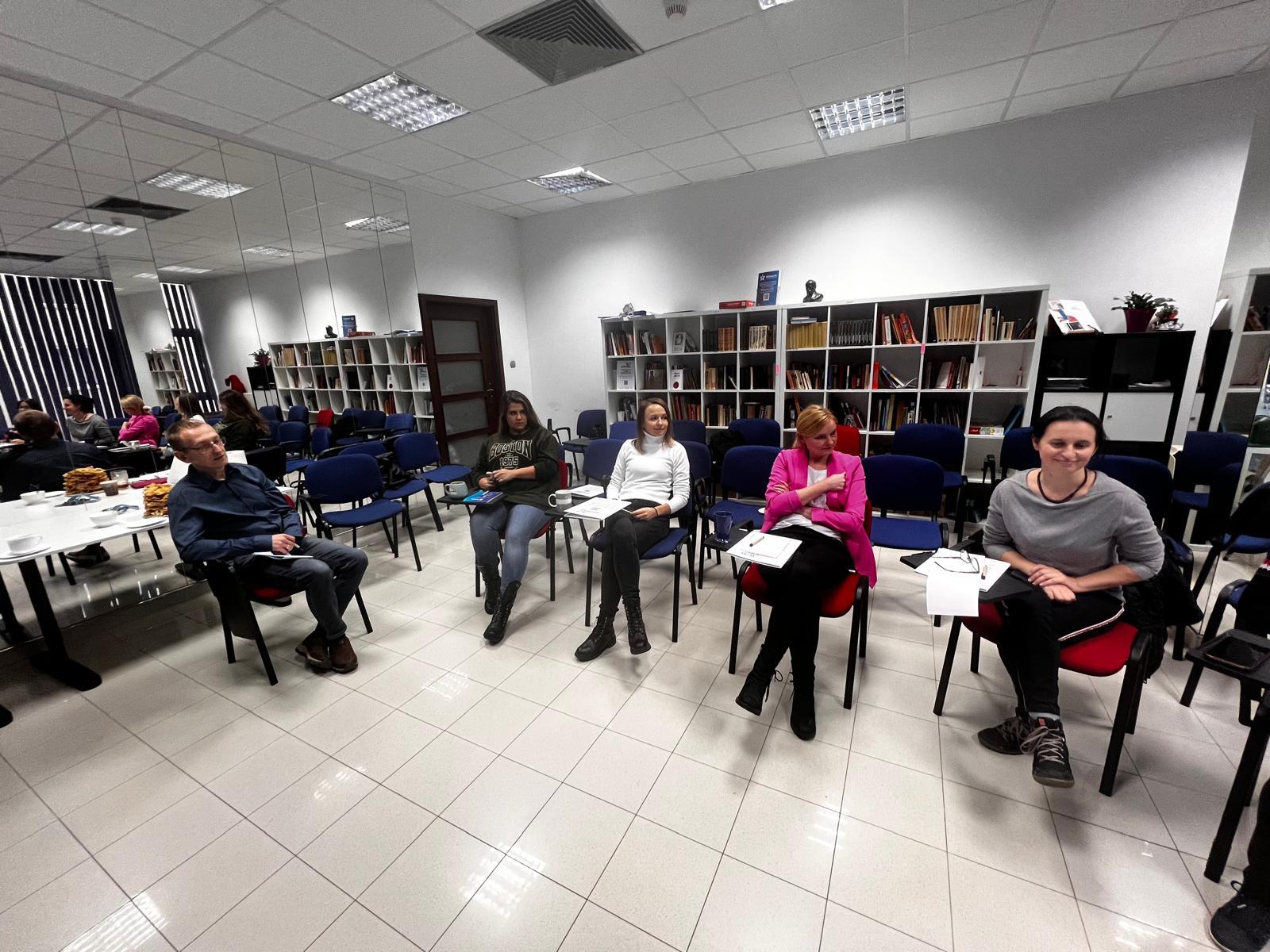
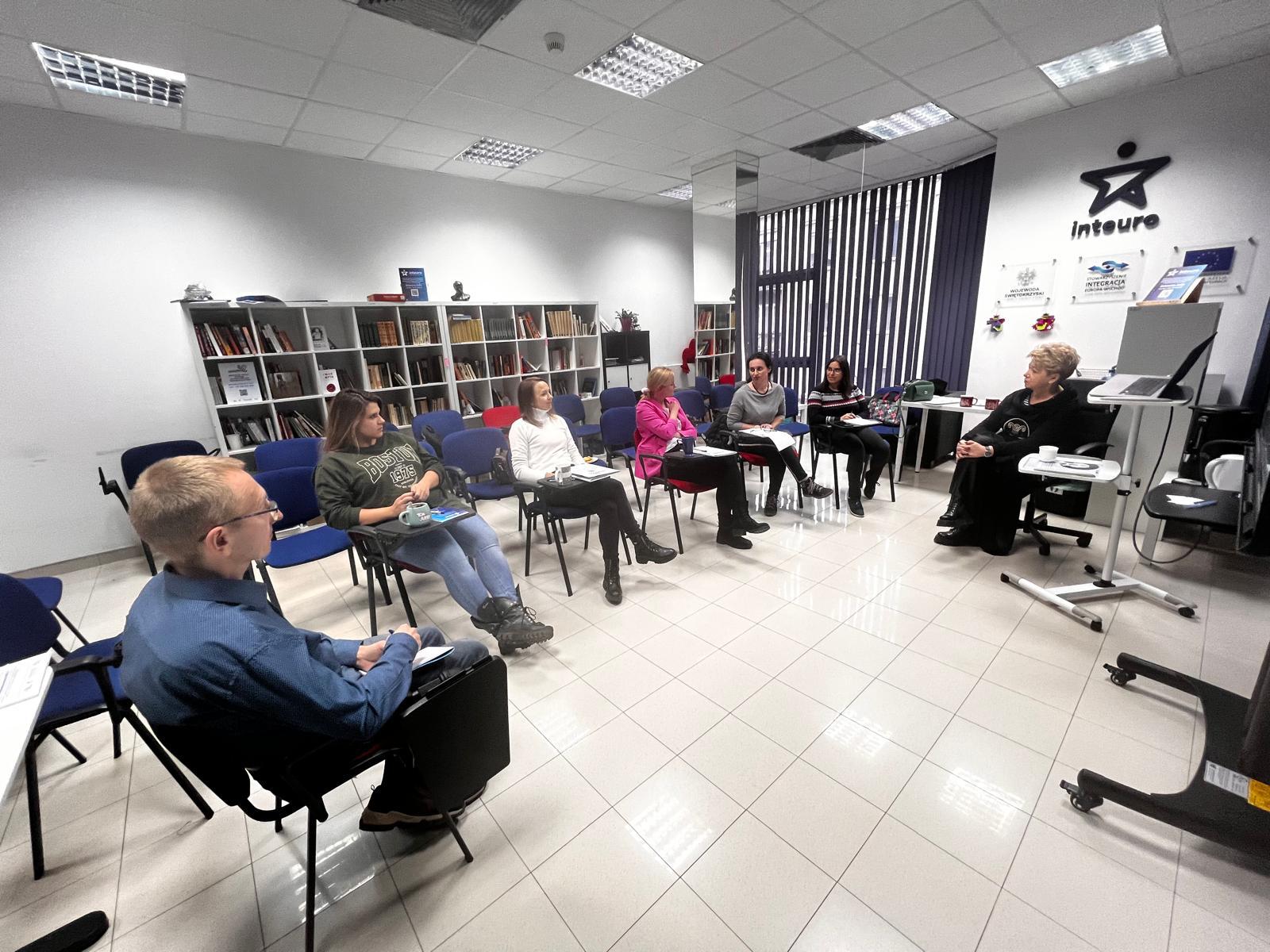
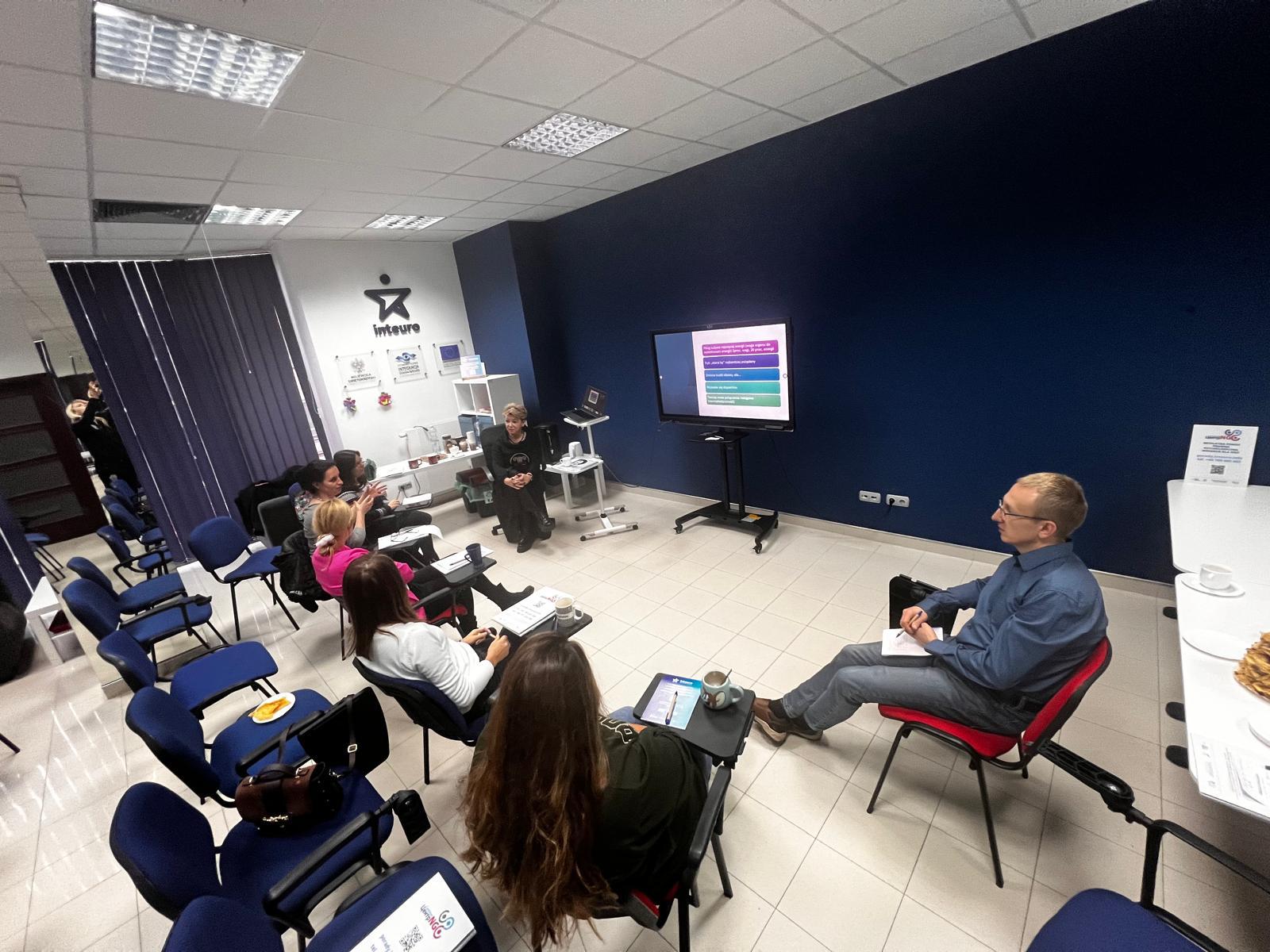
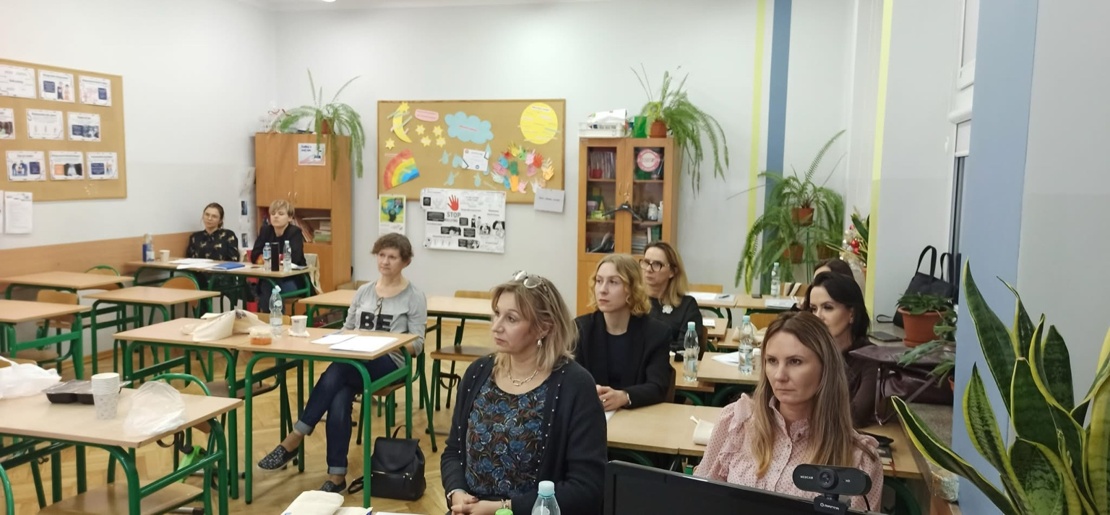
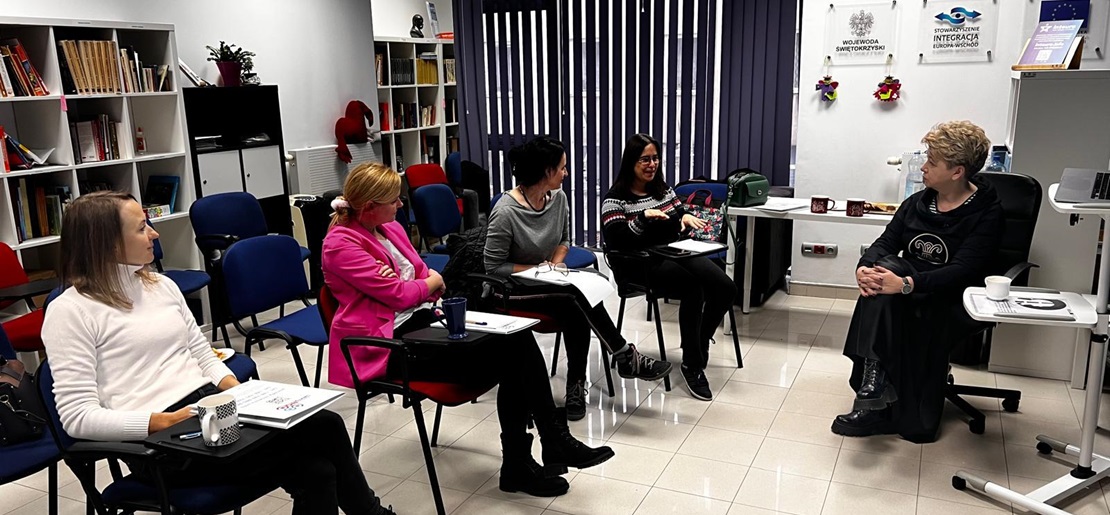
In today's rapidly changing world, advisory work is not just about providing information or solving clients' problems. It is also an art that requires not only knowledge but also empathy, understanding, and appropriate interpersonal skills. The Association Integration Europe - East, aware of these challenges, has organized a mentoring course for its employees. The course, led by Prof. Agnieszka Kasińska-Metryka, aims to develop both theoretical knowledge and practical skills that are crucial in the dai...
What is Mentoring and Why is it Important?
Mentoring is a process that allows more experienced individuals to share their knowledge and experience with less experienced ones. In this case, the mentoring course at the Association Integration Europe - East focuses on supporting advisors in developing skills that will enable them to better understand and support their clients.
Clients using advisory services often face very difficult personal and professional problems. Therefore, advisors must be well-prepared in terms of content and able to adopt the role of an "emotional expert." Listening, understanding, and responding appropriately to the client's needs are key aspects of their work.
Mentoring course – key aspects and goals
The course's goal is to equip advisors with a set of tools that will allow them to approach each client professionally.
The training program includes:
1. Communication with Clients
Advisors learn how to build trust through open and honest communication. The key element is the ability to listen without judgment and to ask questions that help the client independently understand and analyze their situation.
2. Ethics and Respect for Client Dignity
The course also discusses ethical principles in advisory work. How to respect clients' boundaries? How to honor their values, beliefs, and decisions while indicating possible solutions to their problems? This is a crucial aspect of the advisor-client relationship.
3. Developing Analytical Skills
The course emphasizes basing advisory work on facts. Advisors learn to analyze the client's situation, considering various factors influencing their lives, and develop strategies to help solve problems.
4. Managing Emotions
Advisory work can be emotionally draining. Therefore, the course also includes techniques for dealing with stress and maintaining emotional balance, which is essential both for the quality of the provided assistance and for the advisors' mental health.
Outcomes and Long-Term Benefits
Participation in the mentoring course provides advisors with the tools for effective work and confidence in handling even the most challenging cases. Clients, in turn, receive support at the highest level, improving their quality of life and ability to cope with challenges.
The project "Świętokrzyskie – Development and Partnership for Professional Advisory Services," under which the course is conducted, is co-financed by the National Institute of Freedom – Center for Civil Society Development. This program supports the development of advisory organizations, enabling them to provide services at an increasingly higher level, which directly translates into building better relationships within society.
The Association Integration Europe - East once again demonstrates that investing in the development of its employees is the best way to achieve success in a field that requires such high levels of commitment and expertise. The mentoring course is a milestone towards the professionalization of advisory services in the Świętokrzyskie region.